Introduction
Shooting at moving IPSC targets requires a distinct set of skills and proficiency. It is a challenging task that demands accuracy, precision, and fast reflexes. In this post, we will explore the methods and techniques to contend moving IPSC targets like a pro. Whether you are a beginner or a knowledgeable shooter, this guide will provide you with important insights and tips to improve your shooting abilities. So let's dive in and accept the difficulty of shooting at moving IPSC targets!
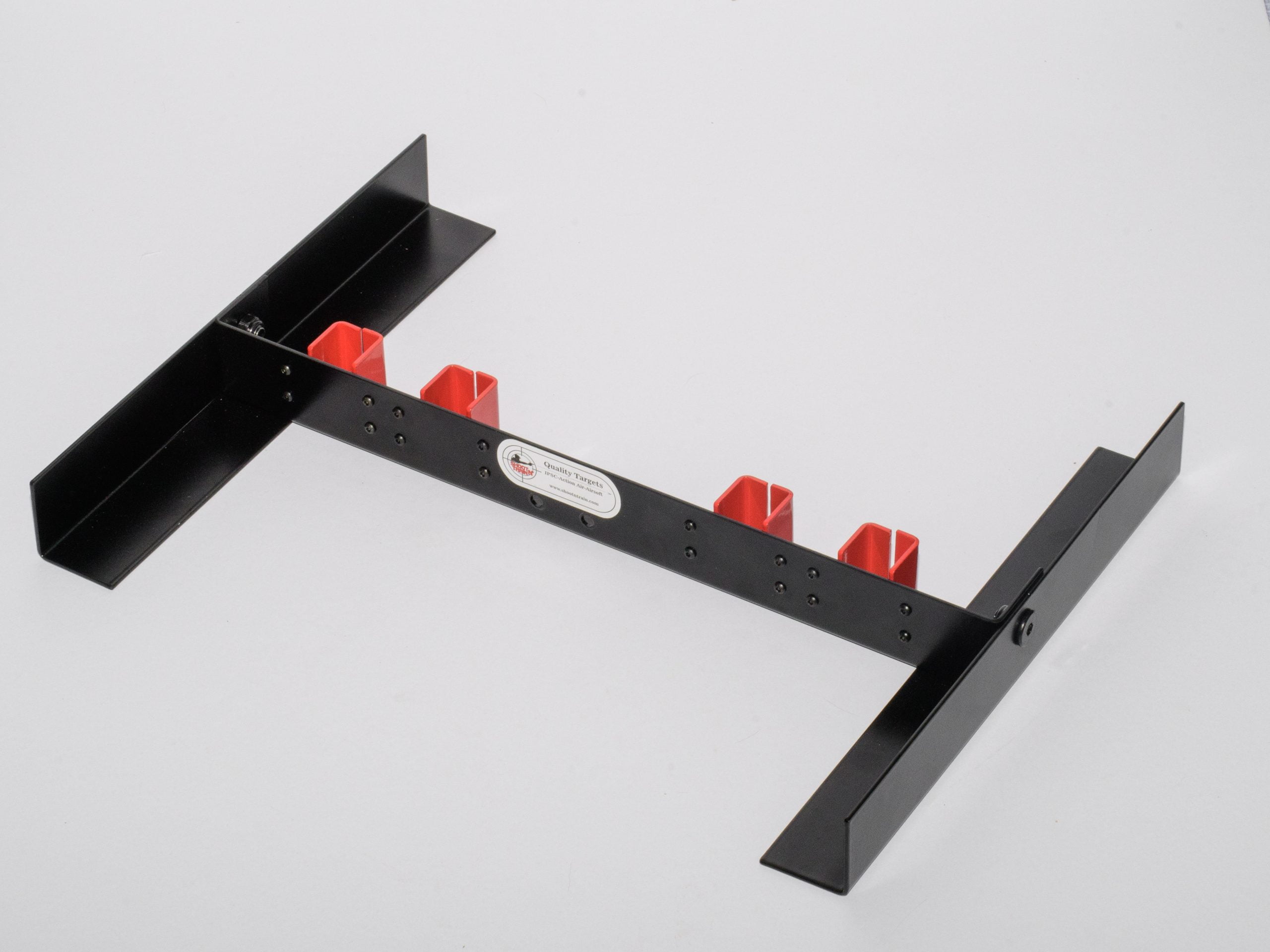
Table of Contents
The Value of Quality IPSC Targets Shoot N' Train IPSC Targets: The Ultimate Training Tool Mastering the Essentials: Stance, Grip, and Sight Alignment Understanding the Dynamics of Moving IPSC Targets Adjusting Your Shooting Strategy for Moving Targets Anticipating Target Motion: A Secret Ability for Success Speed vs Accuracy: Striking the Perfect Balance Shooting on the Move: A Dynamic Approach Engaging Numerous Moving Targets Simultaneously Effectively Utilizing Cover and Concealment Mental Preparation: Developing Focus and Concentration Breathing Methods for Improved Shot Control Shooting Under Pressure: Stress Management Tips Analyzing Your Performance: The Importance of Video Review Developing a Training Prepare For Moving IPSC Targets Incorporating Dry Fire Practice into Your Routine Live Fire Drills to Refine Your Skills Utilizing Technology for Boosted Training Sessions Competing in IPSC Matches: Strategies for Success Tips from Top Shooters in the Field Common Mistakes to Prevent when Shooting at Moving IPSC Targets Overcoming Plateaus: Breaking Through Performance Barriers The Role of Physical Fitness in Shooting Performance Frequently Asked Questions (Frequently Asked Questions) Can I utilize any type of ammunition for shooting at moving IPSC targets? What is the ideal range for practicing shooting at moving IPSC targets? Are there any specific guidelines or policies for shooting at moving IPSC targets? How can I enhance my target acquisition speed when contending moving targets? What are some efficient drills to practice shooting at moving IPSC targets? How long does it take to end up being skilled in shooting at moving IPSC targets? ConclusionTaking on the Difficulty: Shooting at Moving IPSC Targets Like a Pro
Shooting at moving IPSC targets is a thrilling and demanding endeavor that needs a mix of technical abilities, mental focus, and physical agility. It pushes shooters to their limitations and challenges them to excel in a vibrant and busy environment.
To shoot at moving IPSC targets like a pro, one must initially comprehend the significance of quality IPSC targets and the role they play in training and competition.
The Value of Quality IPSC Targets
When it comes to shooting at moving IPSC targets, the quality of the target itself plays an essential role in guaranteeing a realistic and efficient training experience. Inferior or badly developed targets can impede development and cause inaccurate strategy development.
Investing in top quality IPSC cardboard targets that are specifically developed for movement can significantly improve your training sessions. These targets are built to stand up to duplicated impacts, supplying shooters with immediate feedback on their shots.
Shoot N' Train IPSC Targets: The Ultimate Training Tool
One of the most popular options amongst professional shooters is Shoot N' Train IPSC Targets. These targets provide toughness, versatility, and realism, making them an ideal option for shooters looking to enhance their skills.
Shoot N' Train IPSC Targets are created to mimic the movement patterns of real-life targets, providing sport shooting cardboard targets shooters with a realistic training experience. With adjustable speed settings and programmable series, these targets can replicate different situations, challenging shooters to adapt and react quickly.
Mastering the Fundamentals: Stance, Grip, and Sight Alignment
Before attempting to shoot at moving IPSC targets, it is necessary to master the fundamentals of shooting. A strong position, proper grip, and appropriate sight alignment lay the foundation for accurate and controlled shots.
Your position need to be stable yet vibrant, permitting you to move smoothly while preserving balance. The isosceles or modified weaver stance is commonly used in IPSC shooting due to its versatility and capability to take in recoil effectively.
Gripping your firearm firmly but not excessively tight ensures better control and decreases muzzle flip. Correct sight alignment includes lining up the front and rear sights with the target while maintaining a clear focus on the front sight.
Understanding the Characteristics of Moving IPSC Targets
Moving IPSC targets present an extra layer of intricacy to shooting. They can move horizontally or vertically, change direction unexpectedly, or differ in speed. Comprehending how these aspects affect your shots is important for success.
When a target moves horizontally from left to right (or vice versa), shooters must represent lateral motion by changing their objective ahead of the target's path. Similarly, when a target moves vertically (e.g., pop-up targets), shooters need to time their shots precisely to strike the target at its highest point.
Adjusting Your Shooting Technique for Moving Targets
Shooting at moving IPSC targets needs changes in strategy compared to contending fixed targets. Here are some crucial tips:
- Maintain a fluid motion: Prevent jerky motions or freezing when engaging moving targets. Instead, establish a smooth rhythm that enables you to track the target seamlessly. Follow-through: Continue tracking the target even after shooting your shot. This ensures that you maintain appropriate sight alignment and follow the target's movement accurately. Trigger control: A regulated and smooth trigger press is vital when contending moving targets. Jerking the trigger can cause your shots to miss or become inaccurate.
Anticipating Target Movement: A Key Ability for Success
Anticipating target motion is a skill that separates the average shooters from the elite. By observing the pattern and speed of the moving IPSC targets, you can predict their future positions and adjust your goal accordingly.
One effective strategy is to concentrate on the target's leading edge rather than its center. This permits you to react faster and keep a better sight picture throughout the engagement.
Speed vs Accuracy: Striking the Perfect Balance
Shooting at moving IPSC targets requires a fragile balance between speed and accuracy. While it is important to engage targets quickly, compromising precision can result in missed out on shots and penalties.
To strike this balance, start by focusing on precision during training sessions. As your skills improve, slowly increase your speed while preserving precision. Keep in mind, precision ought to constantly be prioritized over speed in competitive shooting scenarios.
Shooting on the Move: A Dynamic Approach
In IPSC matches, shooters typically find themselves engaging moving targets while on the move themselves. This dynamic shooting technique requires coordination, dexterity, and quick decision-making.
When shooting on the move, practice proper footwork to preserve stability and decrease unneeded movements. Utilize lateral motion methods such as side-stepping or crossover steps to engage several targets efficiently.
Engaging Multiple Moving Targets Simultaneously
In IPSC matches, shooters frequently come across stages with several moving targets that require engagement within a restricted time frame. This circumstance evaluates a shooter's capability to shift quickly in between targets while preserving accuracy.
To master appealing numerous moving targets simultaneously, establish an organized technique:
Identify the order of engagement: Determine which target requires to be engaged first based on their position, distance, and difficulty level. Visualize your transitions: Psychologically practice the sequence of target engagements, guaranteeing smooth shifts and very little lost movements. Maintain situational awareness: Understand your environments and the targets' movement patterns to adjust your plan if needed.Effectively Utilizing Cover and Concealment
IPSC stages typically integrate cover and concealment components, including an extra layer of intricacy to shooting at moving targets. Proper utilization of cover can supply shooters with a strategic advantage by minimizing direct exposure and minimizing the risk of being hit.
When engaging moving IPSC targets from behind cover, follow these guidelines:
- Use off-hand shooting methods: If cover restricts your ability to shoot with your dominant hand, practice shooting with your off-hand to preserve accuracy. Minimize direct exposure time: Engage targets rapidly while reducing the time invested beyond cover. This decreases the possibilities of being struck by return fire.
Mental Preparation: Establishing Focus and Concentration
Shooting at moving IPSC targets requires psychological fortitude and focus. Establishing a strong frame of mind is essential for success in this difficult discipline.
Here are some techniques to improve your mental preparation:
- Visualization methods: Picture effective engagements of moving targets in your mind before executing them on the range. This helps construct self-confidence and reinforces appropriate technique. Positive self-talk: Adopt a favorable mindset and replace negative thoughts with useful ones. Motivate yourself during training sessions and matches to maintain inspiration and focus. Breathing workouts: Deep breathing techniques assist relax the mind, decrease tension, and enhance shot control. Practice regulated breathing both during training sessions and competitions.
Breathing Methods for Improved Shot Control
Proper breathing methods are necessary for maintaining shot control when shooting at moving IPSC targets. Here are two popular breathing strategies used by expert shooters:
Natural breathing pause: At the end of a typical exhale, there is a natural pause before inhaling once again. Use this time out to constant your objective and squeeze the trigger. Half-breath strategy: Take a deep breath and breathe out midway. Hold your breath for a short time while engaging the target. Resume breathing after the shot is fired.Experiment with these strategies throughout training sessions to discover which one works finest for you.
Shooting Under Pressure: Tension Management Tips
Competitive shooting, especially in IPSC matches, can be highly stressful and demanding. Shooting under pressure needs handling stress successfully to keep focus and carry out at your best.
Here are some suggestions for managing stress during shooting:
- Develop a pre-shot routine: Establishing a constant pre-shot routine assists create a sense of familiarity and control, decreasing anxiety before each engagement. Mental practice session: Before stepping onto the range, psychologically rehearse each stage and picture effective executions. This psychological preparation improves self-confidence and lowers anxiety. Relaxation strategies: Practice relaxation workouts such as deep breathing, progressive muscle relaxation, or mindfulness meditation to relax the mind and body.
Analyzing Your Efficiency: The Significance of Video Review
Video analysis is a valuable tool for improving your shooting skills when engaging moving IPSC targets. By taping your training sessions or matches, you can recognize areas for improvement and make needed adjustments.
During video evaluation, pay attention to:
- Footwork: Assess the efficiency of your movement in between targets. Look for any unnecessary steps or lost motions. Target acquisition speed: Assess how rapidly you get targets and adjust your goal accordingly. Shot placement: Examine the precision of your shots on moving targets. Identify any constant mistakes or patterns that require correction.
Developing a Training Prepare For Moving IPSC Targets
Consistent training is important for mastering the art of shooting at moving IPSC targets. To optimize progress, establish a structured training strategy that concentrates on particular abilities and locations of improvement.
Consider integrating the following elements into your training plan:
Fundamental drills: Commit time to mastering the basics of shooting, including stance, grip, and sight positioning. Practice these essential skills regularly to maintain proficiency. Moving target drills: Establish scenarios that duplicate the movement patterns of IPSC targets. Start with slower speeds and slowly increase the difficulty as your abilities improve. Transition drills: Engage numerous targets and practice smooth transitions between them. Focus on lessening lost motions and keeping accuracy. Scenario-based training: Create practical situations that incorporate movement, cover, and multiple targets. This type of training assists simulate match conditions and prepares you for real-world challenges.Incorporating Dry Fire Practice into Your Routine
Dry fire practice is an important tool for improving shooting abilities without live ammo. It allows shooters to focus on method, trigger control, and sight alignment in a safe environment.
When including dry fire practice into your routine:
- Ensure a safe environment: Remove all live ammunition from the training location and confirm that your firearm is unloaded. Establish clear goals: Determine particular aspects of shooting at moving IPSC targets that you wish to improve through dry fire practice. Use proper target visualization: Mentally picture the moving targets as you go through your dry fire routine. This assists reinforce appropriate engagement techniques.
Live Fire Drills to Hone Your Skills
While dry fire practice is useful, live fire drills are vital for developing muscle memory and refining shooting abilities with real recoil and target impacts.
Here are some live fire drills to include into your training sessions:
Tracking drill: Set up moving IPSC targets at numerous distances and engage them while focusing on keeping sight alignment throughout the movement. Speed drill: Challenge yourself to engage a series of moving IPSC targets within a set time frame. Gradually decrease the time limit as your speed improves. Transition drill: Position numerous moving targets at various angles and distances. Practice quick shifts between targets while preserving accuracy.Utilizing Innovation for Improved Training Sessions
Advancements in technology have actually reinvented the way shooters train and improve their abilities. Various tools and applications can improve your training sessions when contending moving IPSC targets.
Consider utilizing the following innovations:
- Shot timers: These devices measure the time it takes for you to engage a target properly. They supply instant feedback and assistance track your progress. Laser training systems: Laser-based training systems permit you to practice appealing moving targets in a regulated environment. They supply real-time feedback on shot placement and accuracy. Mobile applications: Numerous mobile apps use virtual shooting ranges, target tracking, and analysis functions. These apps can supplement your live fire drills and supply extra training opportunities.
Competing in IPSC Matches: Techniques for Success
Once you have actually refined your abilities through consistent training, you might choose to check your capabilities by participating in IPSC matches. Completing in these events needs not just shooting efficiency however likewise tactical thinking and mental resilience.
Here are some methods for success in IPSC matches:
- Study the stages: Acquaint yourself with the design, target placement, and movement patterns of each stage before starting. Create a phase plan: Develop a detailed plan for engaging each target while considering movement, reloading points, and any required positional changes. Stay calm under pressure: Keep composure throughout the match by concentrating on your pre-shot routine, breathing methods, and positive self-talk.
Tips from Top Shooters in the Field
Learning from knowledgeable shooters is an exceptional way to get valuable insights and pointers for shooting at moving IPSC targets. Here are some pointers from top shooters:
" Concentrate on sight alignment": Keeping proper sight positioning is crucial when engaging moving targets. Train yourself to acquire a clear sight picture quickly. " Master trigger control": A smooth trigger press is essential for precise shots on moving targets. Practice trigger control frequently to improve your shooting skills. " Train for speed and precision individually": While speed is essential, it needs to not compromise precision. Devote specific training sessions to each element individually.Common Mistakes to Avoid when Shooting at Moving IPSC Targets
When learning a brand-new skill, it is essential to know typical errors that can prevent progress. Here are some mistakes to prevent when shooting at moving IPSC targets:
Neglecting fundamentals: Focusing solely on engaging moving targets can result in ignoring the principles of shooting. Master the fundamentals before advancing to more challenging scenarios. Overlooking footwork: Correct footwork is crucial for maintaining balance and stability when engaging moving targets. Focus on your footwork and avoid unnecessary movements. Ignoring video analysis: Video evaluation offers valuable insights into your technique and performance. Do not ignore this tool as it can assist identify locations for improvement.Overcoming Plateaus: Breaking Through Performance Barriers
It is common for shooters to reach plateaus in their skill advancement journey. These plateaus occur when development stalls, and improvement becomes stagnant.
To break through performance barriers, consider the following strategies:
- Seek professional coaching: A certified trainer can provide personalized feedback and assistance customized to your specific needs. Set practical objectives: Break down your long-lasting goals into smaller sized, attainable turning points. Commemorate each milestone as you advance toward your ultimate objective. Embrace constant knowing: Stay open-minded and continuously look for brand-new knowledge or methods that may improve your shooting skills.
The Role of Physical Conditioning in Shooting Performance
Physical physical fitness plays a considerable function in shooting efficiency, including shooting at moving IPSC targets. It adds to total stability, endurance, and agility, which are essential for success.
Consider including the following workouts into your fitness regimen:
- Cardiovascular training: Participate in activities such as running, cycling, or swimming to enhance endurance and lung capacity. Strength training: Concentrate on exercises that target the muscles used in shooting, such as the core, arms, and shoulders. Flexibility workouts: Keep flexibility through extending regimens to improve your ability to assume difficult shooting positions.
Frequently Asked Questions (FAQs)
Can I utilize any kind of ammunition for shooting at moving IPSC targets?- It is recommended to use ammo appropriate for IPSC matches and certified with variety regulations. Talk to match organizers or range personnel for specific guidelines.
- The perfect distance depends on your skill level and the intended problem of the drill. Start at a comfy distance and slowly increase it as you end up being more proficient.
- IPSC matches have particular rules and guidelines governing the engagement of moving targets. Acquaint yourself with these guidelines before taking part in any competitions.
- Improving target acquisition speed requires practice and familiarity with various target movement patterns. Regularly engage moving targets during training sessions to enhance your speed and accuracy.
- There are numerous drills you can incorporate into your training sessions, such as tracking drills, transition drills, and scenario-based drills. Explore different workouts to challenge yourself and improve particular skills.
- The time required to become competent varies depending upon private aspects such as devotion, training frequency, and prior experience. Constant practice and a structured training plan can accelerate progress.
Conclusion
Shooting at moving IPSC targets is a tough yet rewarding endeavor that demands ability, precision, and psychological perseverance. By comprehending the characteristics of moving targets, adjusting your shooting method, and integrating effective training strategies, you can handle the challenge like a pro.
Investing in quality IPSC targets, such as Shoot N' Train IPSC Targets, boosts the realism and efficiency of your training sessions. Mastering the basics, establishing mental strength, and using innovation further raise your shooting skills.
Remember to constantly analyze your performance through video evaluation, seek tips from experienced shooters, and preserve a structured training plan. With commitment and determination, you can master shooting at moving IPSC targets and accomplish your goals in this amazing discipline.